Get Mold Mitigation Service
Mold Mitigation Service providers help property owners remove mold, prevent future growth, and handle projects like water damage cleanup and moisture control.
Property owners in the area facing concerns about mold growth or moisture issues often find it helpful to explore professional mitigation options. Mold can develop due to humidity, leaks, or inadequate ventilation, potentially impacting indoor air quality and property integrity. Considering local contractors who specialize in mold mitigation can provide practical solutions for maintaining a safe and healthy environment, especially for those planning renovations or dealing with ongoing moisture problems.
Many property owners choose to compare local service providers to find the right fit for their specific needs. Whether addressing existing mold or taking preventative steps, working with experienced professionals ensures that the work is handled effectively and thoroughly. Keep reading to discover how local contractors can assist with mold mitigation projects and help protect your property’s condition and value.
- Mold Remediation - needed when mold growth has become extensive and poses health concerns.
- Water Damage Restoration - required after flooding or leaks that lead to mold development.
- Structural Drying - necessary when excess moisture has compromised building materials.
- Mold Inspection - useful for identifying hidden mold sources in homes or commercial spaces.
- Moisture Control - important for preventing mold growth in areas prone to high humidity or leaks.
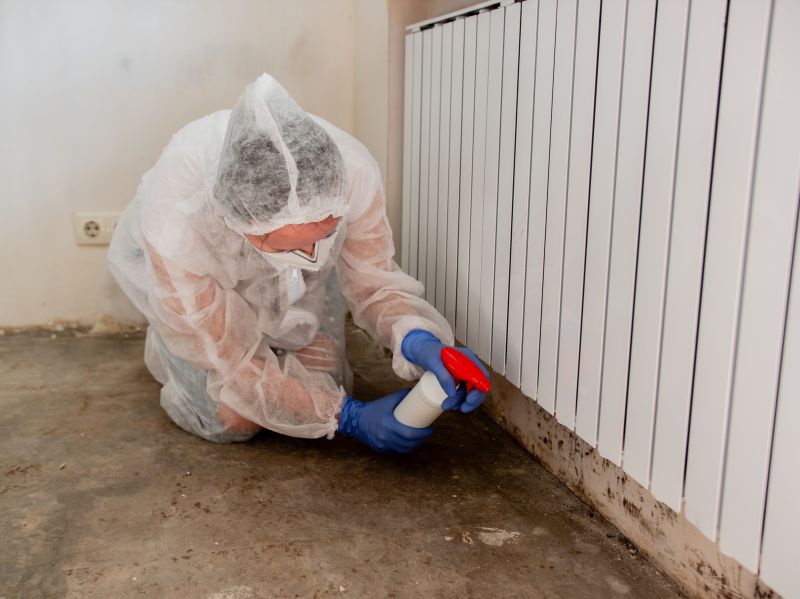
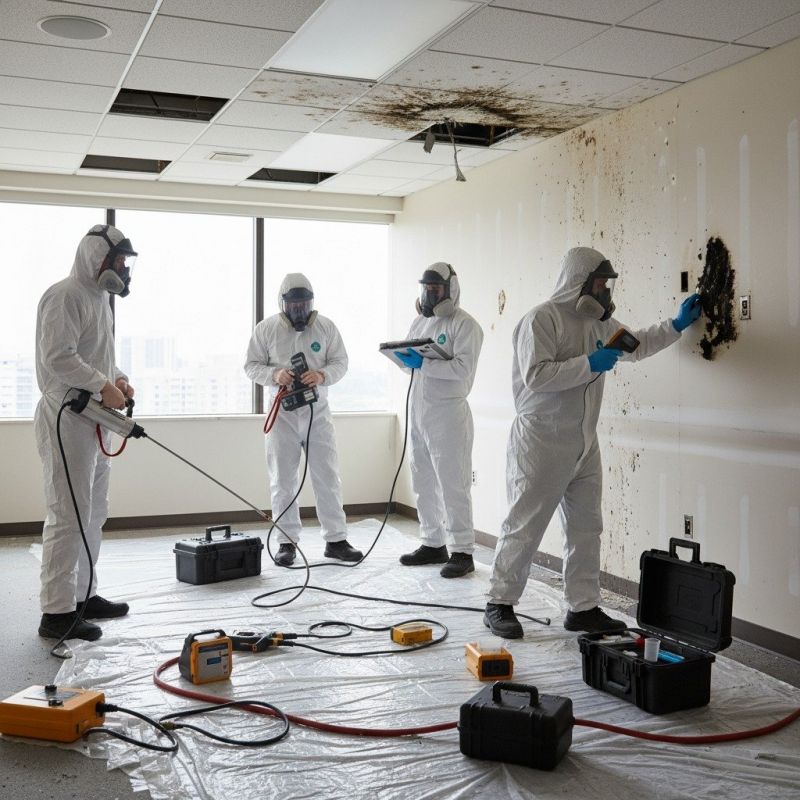
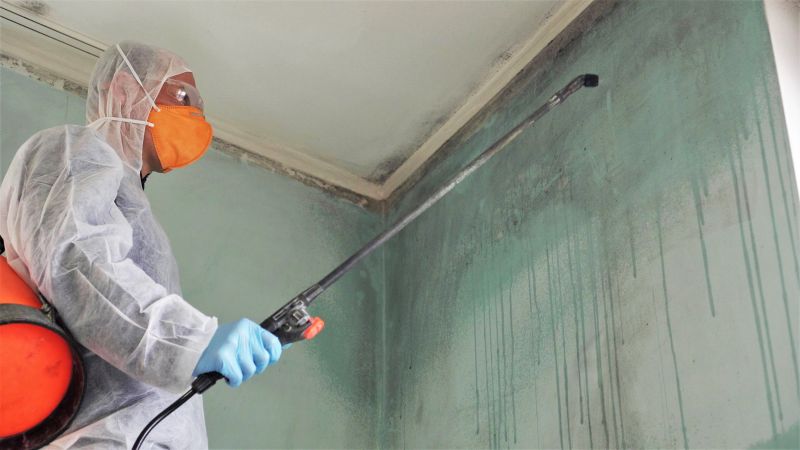
Mold mitigation services involve identifying and removing mold growth within a property to improve indoor air quality and prevent potential health issues. These services typically include thorough inspection of affected areas, containment of mold-contaminated zones, removal of mold-infested materials, and proper cleaning and disinfecting of surfaces. The process aims to eliminate mold at its source, ensuring that spores do not spread further throughout the building. Professional mold mitigation helps homeowners address visible mold growth as well as hidden issues that may not be immediately apparent but can cause long-term damage if left untreated.
These services are essential when mold problems are caused by excess moisture, leaks, or high humidity levels. Common signs that indicate a need for mold mitigation include a persistent musty odor, visible mold patches on walls or ceilings, or recurring allergy symptoms among residents. Mold can develop behind walls, under flooring, or within insulation, making professional inspection and removal crucial. Addressing mold issues promptly can prevent structural damage, reduce health risks, and restore a safe living environment.
Properties that typically utilize mold mitigation services range from residential homes to commercial buildings. Homes with recent water damage, leaks, or poor ventilation are often in need of professional mold removal. Additionally, properties located in humid climates or those with basements and crawl spaces prone to moisture buildup frequently require these services. Commercial spaces such as offices, retail stores, and hospitality venues may also seek mold mitigation to maintain a healthy environment for employees and customers. Regardless of property size or type, professional mold mitigation is a key step in maintaining a safe, healthy space.
Homeowners should consider mold mitigation services if they notice signs of mold growth or suspect moisture issues within their property. Timely intervention can help prevent extensive damage and reduce health risks associated with mold exposure. Local contractors specializing in mold mitigation can provide tailored solutions to address specific problems, whether dealing with small patches or extensive infestations. Contacting experienced service providers ensures that mold problems are handled thoroughly and effectively, helping to restore comfort and safety within the home or property.
The overview below groups typical Mold Mitigation Service projects into broad ranges so you can see how smaller, mid-sized, and larger jobs often compare in your area.
In many markets, a large share of routine jobs stays in the lower and middle ranges, while only a smaller percentage of projects moves into the highest bands when the work is more complex or site conditions are harder than average.
Small-Scale Repairs - Mold mitigation for minor issues typically costs between $250 and $600. Many routine jobs fall within this range, covering small affected areas or surface mold removal. Larger or more complex projects may exceed this range.
Moderate Damage Control - For moderate mold growth requiring extensive cleaning and containment, costs usually range from $600 to $2,000. Many local contractors handle these projects within this band, though some larger jobs can go higher.
Significant Remediation - Larger, more involved mold mitigation projects often cost between $2,000 and $5,000. These projects may include removal of contaminated materials and extensive cleaning, with fewer jobs reaching the upper end of this range.
Full Property Replacement - In severe cases requiring complete removal and replacement of affected structures, costs can exceed $5,000. Such projects are less common and typically involve extensive repairs by specialized service providers.
Actual totals will depend on details like access to the work area, the scope of the project, and the materials selected, so use these as general starting points rather than exact figures.
Water Damage Restoration - professionals in water damage repair have skills in moisture assessment and drying techniques similar to mold mitigation efforts.
Fire Damage Cleanup - fire restoration contractors often handle contamination control and odor removal, which relate closely to mold remediation processes.
Basement Waterproofing - local contractors working on waterproofing projects address moisture issues that can lead to mold growth, requiring similar planning and tools.
HVAC Duct Cleaning - specialists in duct cleaning remove airborne contaminants and improve air quality, paralleling mold mitigation strategies.
Attic Ventilation Services - providers who improve attic airflow help prevent moisture buildup, a key factor in mold prevention and mitigation.
Structural Drying Services - experts in drying out building structures after flooding or leaks use techniques aligned with mold remediation to prevent mold development.
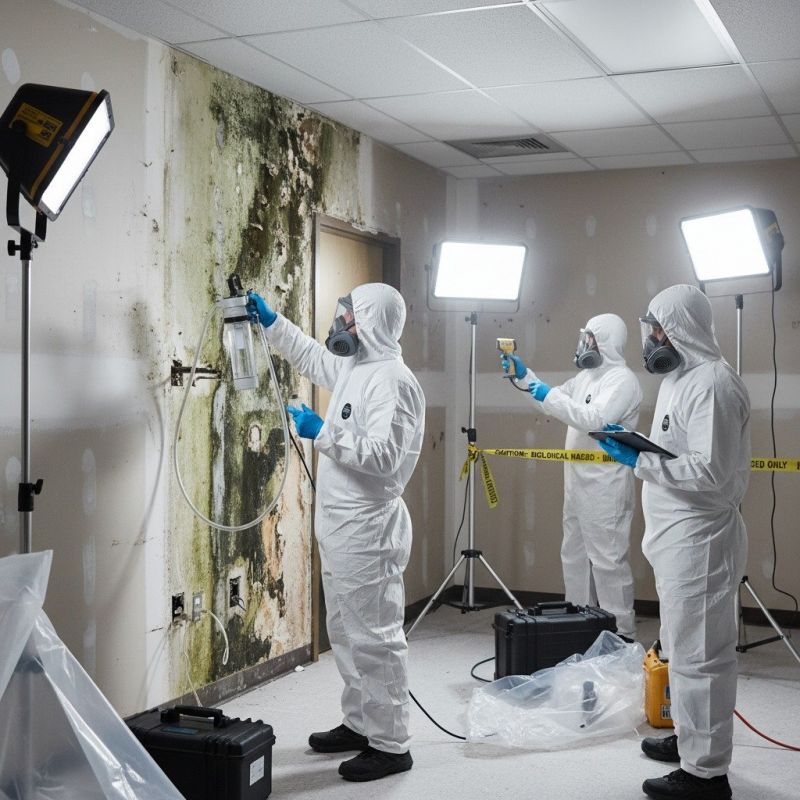
When evaluating potential service providers for mold mitigation, it’s important to consider their experience handling projects similar to your situation. A contractor with a track record of successfully managing mold issues in homes comparable to yours can offer insights into effective techniques and proven methods. Checking how long they have been working in the field and their familiarity with the specific challenges of mold removal can help ensure that the selected professional has the practical knowledge needed to address your concerns effectively.
Clear written expectations are essential for a smooth process and satisfactory results. When comparing local contractors, look for those who provide detailed descriptions of the scope of work, the steps involved, and what you can expect throughout the project. Transparent communication about procedures helps prevent misunderstandings and sets a foundation for a collaborative effort. It’s also beneficial to request or review written estimates or proposals to understand what services are included, enabling you to make an informed decision based on the scope and clarity of the information provided.
Reputable references and good communication are key indicators of a dependable service provider. Asking for references from previous clients can give insight into the contractor’s reliability, quality of work, and professionalism. Additionally, a contractor who communicates clearly and promptly demonstrates a commitment to customer service and transparency. While this site introduces homeowners to local options, it’s important to independently verify these aspects by speaking with references and discussing your project openly with potential contractors. This approach helps ensure that the chosen service provider is well-suited to handle your mold mitigation needs with competence and clear communication.
Property owners use Mold Mitigation Service services for practical projects around their homes and businesses. This guide focuses on everyday jobs and straightforward project options.
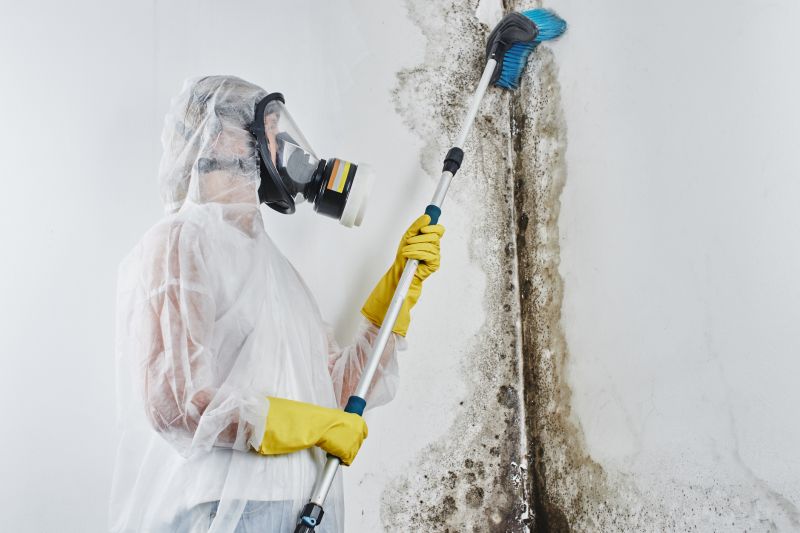
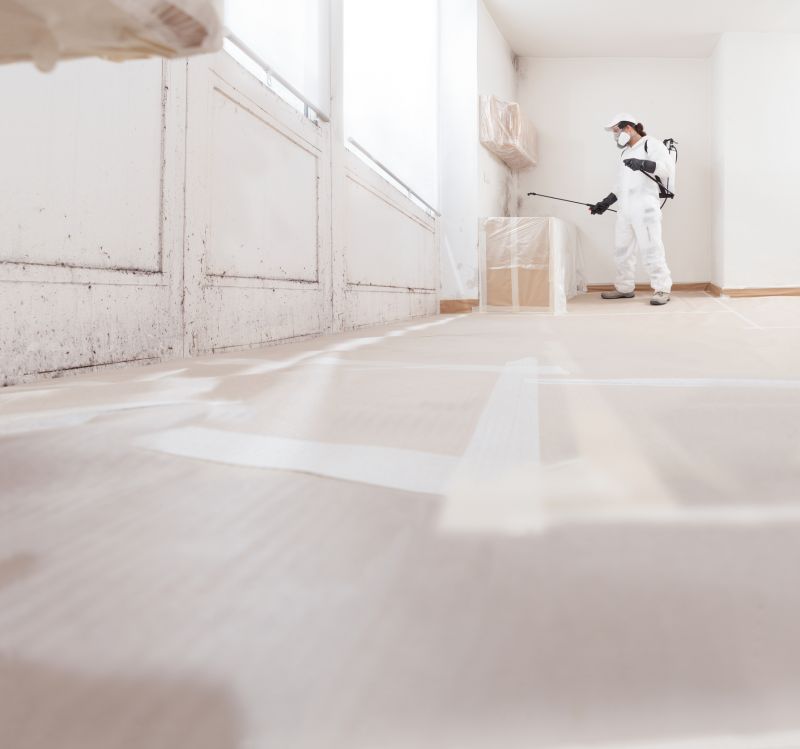
Mold mitigation services are often sought after by property owners dealing with visible mold growth or persistent musty odors. These issues can arise after water leaks, flooding, or high humidity levels, which create ideal conditions for mold to develop in areas like basements, bathrooms, or attics. Local contractors specializing in mold mitigation can assess affected spaces and implement effective removal strategies to help restore a healthier indoor environment.
Property owners may also look for mold mitigation when preparing to sell a home or after discovering mold during routine inspections. In some cases, mold can be hidden behind walls or beneath flooring, making professional inspection and removal essential. Local service providers are equipped to handle these projects, ensuring that mold is properly addressed and reducing the risk of future growth or structural damage.
What is mold mitigation? Mold mitigation involves identifying and removing mold growth to prevent health issues and property damage.
How do local contractors handle mold problems? They assess the affected areas, contain the mold, and use specialized techniques to eliminate mold spores effectively.
Can mold mitigation improve indoor air quality? Yes, proper mold removal can help reduce airborne mold spores and improve overall indoor air quality.
What should I do if I suspect mold in my home? Contact experienced service providers who can evaluate the situation and recommend appropriate mold mitigation services.
Are mold mitigation services suitable for both residential and commercial properties? Yes, local contractors can handle mold removal in a variety of property types, ensuring thorough mitigation.
Mold Prevention Planning - Property owners can work with local contractors to develop strategies for reducing moisture buildup and preventing mold growth in vulnerable areas.
Moisture Source Identification - Homeowners can schedule inspections to identify and address sources of excess humidity or leaks that may lead to mold problems.
Ventilation Improvement Ideas - Property owners can explore options for enhancing airflow in kitchens, bathrooms, and basements to minimize mold risks.
Post-Mitigation Maintenance - Homeowners can receive guidance on ongoing upkeep practices to maintain a mold-free environment after mitigation services are completed.
If you are thinking about Mold Mitigation Service for a property, this guide is meant to help you understand the work, the typical project types, and how different options might fit your plans.
When you are ready, you can use the quote form on this page to share a few details about your project. From there, local pros can review the basics and respond with options that match what you have in mind.