Attic Mold Removal in Essex County, NJ
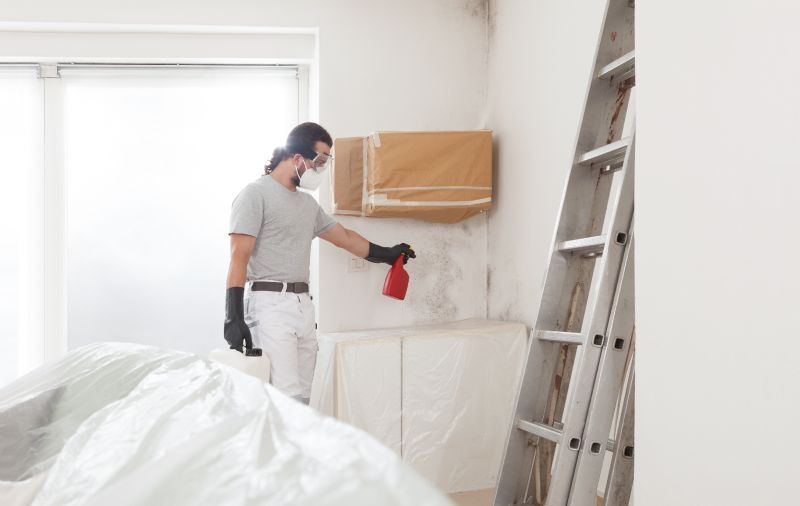
Attic mold removal services involve identifying and eliminating mold growth that occurs in the attic space of a home. This service typically covers projects where mold has developed due to moisture issues, poor ventilation, or previous water damage. Homeowners often seek this service to improve indoor air quality, prevent structural damage, and address health concerns associated with mold exposure. Before requesting attic mold removal, property owners usually want to understand the extent of mold growth, the potential causes of moisture buildup, and the steps involved in safely removing mold from insulation, rafters, and other attic surfaces.
Understanding the scope of attic mold removal also includes knowing what to expect during the process, such as inspection procedures, containment measures, and post-removal treatments. Homeowners should consider whether the mold growth is confined or widespread, and whether any underlying issues like roof leaks or ventilation problems need to be addressed to prevent future growth. Clarifying these details helps ensure that the project effectively restores a safe, healthy attic environment and protects the property from ongoing moisture and mold issues.
Many property owners in Essex County, NJ look into Attic Mold Removal for repairs, replacements, upgrades, and appearance-related improvements.
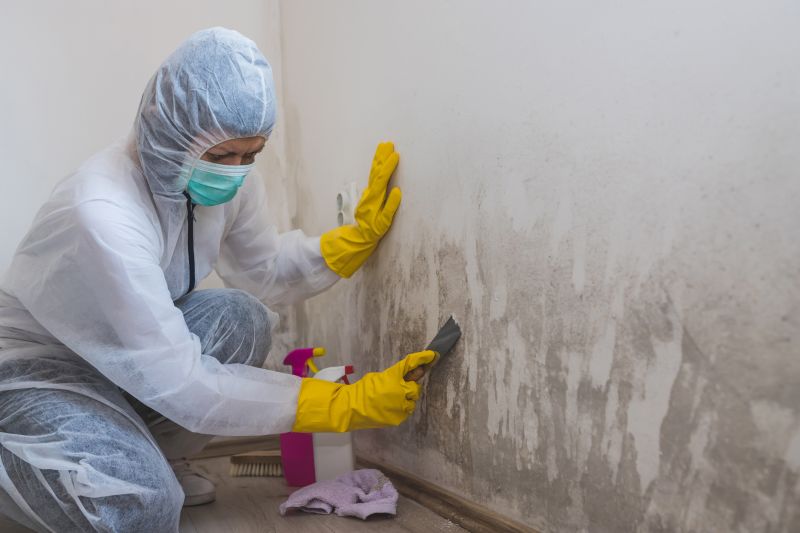
Signs Of Attic Mold
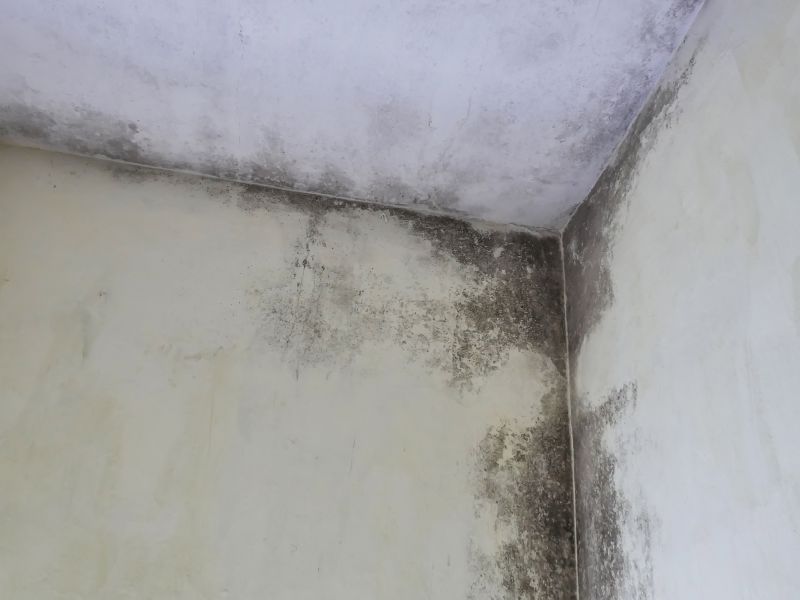
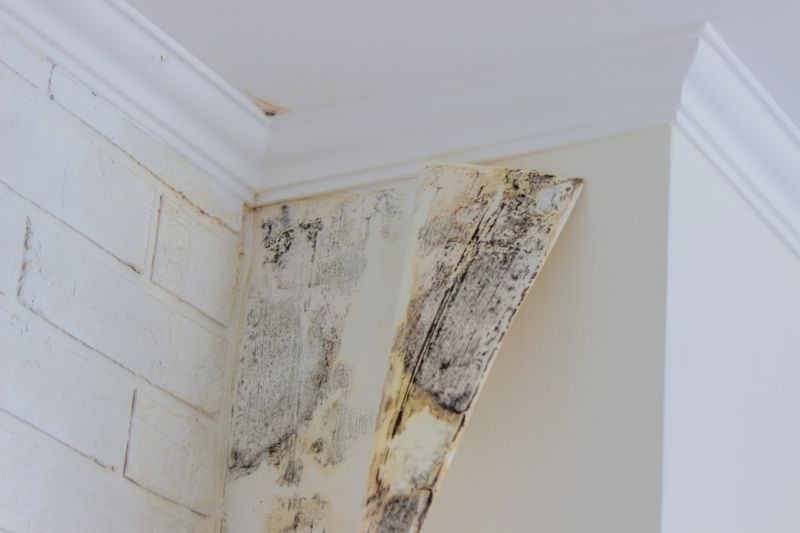
Discolored patches and a musty odor may indicate attic mold growth.
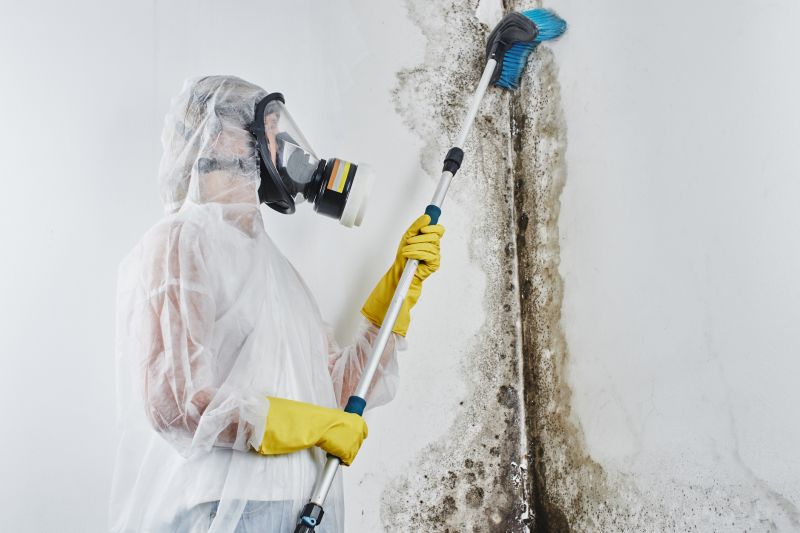
Health Risks Of Mold
Mold can cause allergy symptoms and respiratory issues for residents.
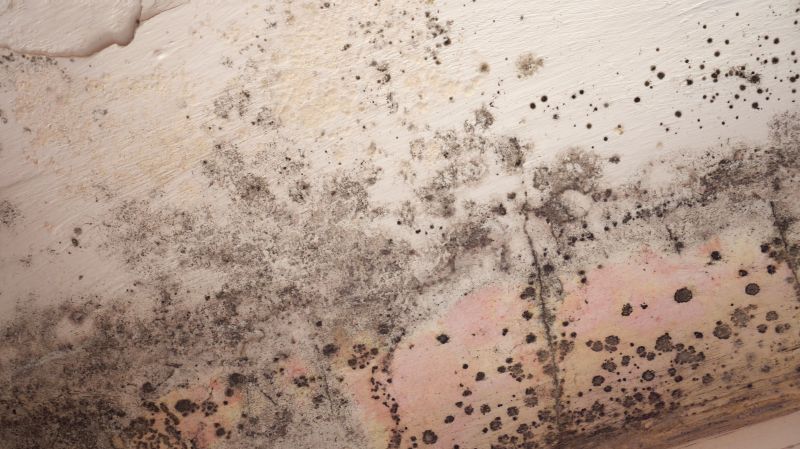
Prevention Tips
Proper ventilation and moisture control help reduce the risk of attic mold development.
Attic Mold Removal in Essex County, NJ
Attic mold removal services involve identifying and eliminating mold growth that occurs in the attic space of a home. This service typically covers projects where mold has developed due to moisture issues, poor ventilation, or previous water damage. Homeowners often seek this service to improve indoor air quality, prevent structural damage, and address health concerns associated with mold exposure. Before requesting attic mold removal, property owners usually want to understand the extent of mold growth, the potential causes of moisture buildup, and the steps involved in safely removing mold from insulation, rafters, and other attic surfaces.
Understanding the scope of attic mold removal also includes knowing what to expect during the process, such as inspection procedures, containment measures, and post-removal treatments. Homeowners should consider whether the mold growth is confined or widespread, and whether any underlying issues like roof leaks or ventilation problems need to be addressed to prevent future growth. Clarifying these details helps ensure that the project effectively restores a safe, healthy attic environment and protects the property from ongoing moisture and mold issues.
Many property owners in Essex County, NJ look into Attic Mold Removal for repairs, replacements, upgrades, and appearance-related improvements.
Common Attic Mold Removal Jobs
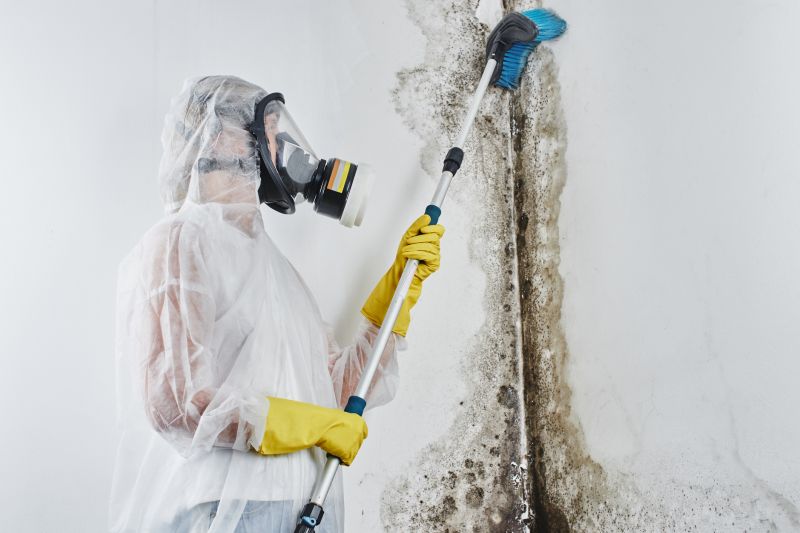
Attic mold removal - professional services to eliminate mold growth in attic spaces.
Mold remediation - targeted removal of mold to improve indoor air quality.
Mold inspection - assessment to identify mold presence and moisture sources.
Attic cleaning - thorough cleaning to remove mold spores and prevent future growth.
Moisture control - addressing leaks and humidity issues that foster mold development.
Mold prevention - strategies to reduce the risk of mold returning after removal.
Attic Mold Removal Questions
What causes mold to grow in attics? Mold in attics often results from excess moisture, poor ventilation, or roof leaks that create a damp environment for mold spores to thrive.
How can I tell if my attic has mold? Signs include visible discoloration, a musty odor, or increased humidity levels, especially in areas near roof leaks or vents.
Is attic mold dangerous? Yes, mold can affect indoor air quality and may cause health issues, particularly for those with allergies or respiratory conditions.
What is the typical process for attic mold removal? The process generally involves inspecting the area, removing mold-affected materials, cleaning surfaces, and addressing moisture sources to prevent future growth.
Request Attic Mold Removal in Essex County, NJ
Use the quote form on this page to share the basics of your project and request more information for the type of work you need.